
5 Essential Benefits of an Ayurvedic Diet for Better Health

Food is medicine in Ayurveda, not just a fuel. The Ayurvedic diet is an ancient approach to eating that has been practiced for thousands of years. Unlike conventional diets, it offers personalized food recommendations based on an individual’s body type or dosha.
As a part of Ayurvedic treatment, dietary choices are often tailored to support the body’s natural balance and overall wellness.
Although there is currently limited scientific evidence supporting the concept of doshas, following Ayurvedic dietary principles may support overall physical and mental well-being.
What Is an Ayurvedic Diet?
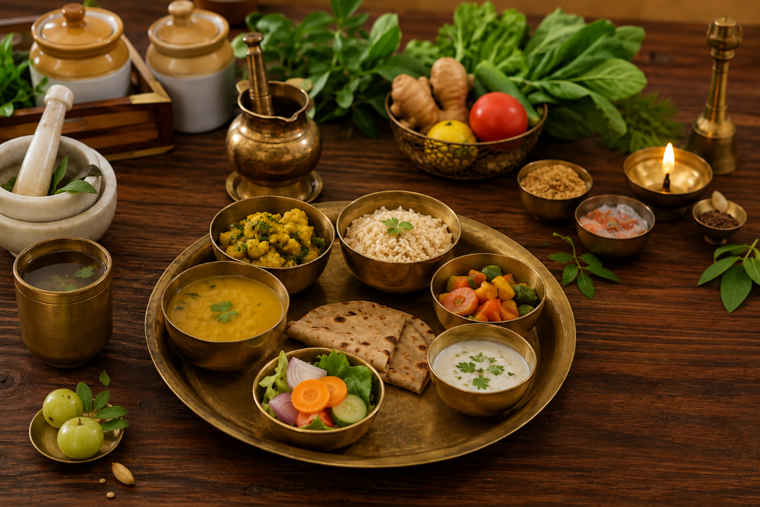
An Ayurvedic Diet is a way of eating built around your dosha or body constitution Vata, Pitta or Kapha. Rather than handing everyone the same meal plan, Ayurveda takes an individualized approach by considering factors such as body type, digestion, dietary habits and overall health condition.
That's actually why every consultation at Patanjali Wellness Indirapuram starts with doshas assessment before we suggest any dietary change at all.
How Does It Work?
The Ayurvedic diet is a personalized approach to eating that guides what, when and how you eat according to your dosha or body type.
Here are the key traits of each dosha to help you understand which one may be most suitable for you:
Pitta (fire + water): Often intelligent, focused, ambitious and determined. People with this dosha typically have a medium build and may experience issues such as indigestion, heart problems or high blood pressure when imbalanced.
Vata (air + space): Generally creative, active, energetic and enthusiastic. People with this dosha often have a slender build and may experience digestive problems, tiredness or anxiety when out of balance.
Kapha (earth + water): Usually calm, stable, patient and dependable. Those with this dosha often have a stronger build and may be more prone to weight gain, asthma, depression or diabetes.
According to Ayurvedic principles, understanding your dosha can guide suitable food choices that support balance, digestion and overall well-being.
Benefits of Ayurvedic Diet
An Ayurvedic diet offers several potential benefits that can support your overall health and well-being, including:
1. Improves Digestion Naturally
Ayurveda addresses digestive fire, also known as Agni as the underlying cause of healthy living. If Agni has a weak constitution, food cannot be digested properly which causes gastric, acidity, bloating and sluggishness.
An Ayurvedic Diet promotes digestion through simple, practical practices:
Consuming hot, fresh cooked meals, instead of processed or cold food
Include spices like ginger, cumin and Fennel, that are believed to boost digestive enzymes
The largest portion of food is eaten at midday, as digestion is the strongest during sunrise
Avoiding unbalanced food combinations like milk and the sour taste of fruits
A review released from The Journal of Ayurveda and Integrative Medicine found that Ayurvedic diets, specifically regarding meal timing and food pairing, revealed an evident link to better digestion in the participants in the study.
This is in line with what doctors often observe in their clinics patients who report less bloating in the first few weeks after they have adjusted their eating habits according in line with their doshas.

2. Supports Weight Management
Contrary to restrictive diets that depend on counting calories, the Ayurvedic diet focuses on the quality of food as well as portion control and eating in accordance with your body's requirements.
Principles include:
Eat until you are completely satisfied, but not fully full.
The choice of eating seasonal, fresh foods is better than processed alternatives.
Eliminating excess calories, processed foods and excessive dairy intake for people who have Kapha dominance who are more susceptible to gain weight.
In addition, warming spices such as turmeric and black pepper that are believed to aid in metabolism.
Since the practice is based on long-term habits, rather than short-term restraint this approach is more sustainable.
3. Boosts Energy and Reduces Fatigue
Persistent tiredness is among the most frequently reported complaints in wellness clinics. diet plays a larger part in this than many people are aware of.
An Ayurvedic Diet addresses fatigue by:
Balance Vata dosha controls energy and movement, with warm, grounding foods.
Reduced dependence on refined sugar and caffeine that can cause energy spikes that are followed by a crash.
Included are nutrient-dense food items such as Ghee, whole grain and the seasonal vegetable.
The importance of eating regularly and eating a balanced diet, which Ayurveda believes is essential to maintain energy levels throughout the day.
People who follow Ayurvedic Diet, in conjunction with regular yoga sessions, typically report a steady increase in energy levels over the course of a month and especially once irregular eating patterns are corrected.
4. Strengthens Immunity
Ayurveda has been linked for a long time to gut health with immune strength and resilience, a link that new research is increasingly confirming. A gut that is healthy and functioning is thought to be the most important aspect of Ojas which is the essential ingredient Ayurveda is associated with resilience and immunity.
An Ayurvedic Diet can boost immunity by:
Regularly incorporating immune-boosting foods like amla, tulsi and turmeric
Reduction in consumption of refined and processed food items, which can alter the flora of your gut.
The seasonal diet is a practice that Ayurveda has been following for centuries, is to help the body adjust to the changing seasons.
A proper hydration regimen with warm water is believed to aid in elimination of toxin.
Modern studies of gut microbiomes increasingly suggest that dietary variety and less processed food intake can improve you’re the immune system, which is a fundamental principle. Ayurveda is a practice that has been used by way of seasonal, whole-food diets for ages.
5. Promotes Mental Clarity and Emotional Balance
Ayurveda does not differentiate between mental and physical health. It is thought that food can have direct influence on the mind. This is evident in the categorizing of food items as Sattvic, Rajasic or Tamasic depending on the impact it has on the mental state.
An Ayurvedic Diet helps to maintain mental clarity via:
Preference for Sattvic food items like fresh vegetables, fruits and nuts
Reduction in consumption of stimulants, a lot of processed food and excessive caffeine
Mindful eating, which includes eating in a quiet environment and chewing well
Balancing Pitta dosha, connected to mental agitation when it is aggravated.
A balanced and mindful approach to food may support steady energy, mood and mental focus. Individual experiences can vary depending on diet, lifestyle and overall health.

Quick Overview: Ayurvedic Diet Benefits
Benefit | How It Works | Key Practice |
Better digestion | Strengthens Agni or digestive fire | Meal’s timings, warm meals, digestive spices |
Weight management | Focuses on food quality over restriction | Seasonal, whole foods |
Higher energy | Blances Vata Dosha | Healthy Meal Routine |
Stronger Immunity | Supports gut health and ojas | Turmeric, tulsi, hydration |
Mental Clarity | Reduces Rajasic and Tamasic food intake | Sattvic, mindful eating |
Why Consult an Ayurvedic Practitioner First
An Ayurvedic diet is most effective when it's personalised. Two people who have different doshas may react different to the same food. This is the reason an online diet plan does not always serve the same results that one based on an individual evaluation.
At our center the process of a diet suggestion begins with understanding the dosha of an individual's digestion capacity and current health concerns, regardless of whether it is related to weight management, PCOD, fatigue or digestive problems.
This individualized approach is the reason why Ayurvedic nutritional guidance extremely beneficial rather than just a generic health trend.
Choose a Diet That Works for You
An Ayurvedic diet is not about restriction. It is about understanding what your body actually needs and giving it exactly that. A well-planned diet can make digestion easier, support in weight management and contribute to steady energy and better mental clarity.
At Patanjali Wellness Indirapuram, your diet recommendation begins with a proper dosha assessment and everything follows from there. If you are dealing with persistent bloating, unexplained weight gain, low energy or simply want to eat in a way that genuinely supports your health long term, our Vaidya is here to guide you.
Book your free consultation today. No generic advice. No one-size-fits-all plan. Just honest, personalised guidance built around your body.
FAQs
Q. Is an Ayurvedic diet suitable for everyone?
A. Ayurvedic diets are personalized according to individual needs, health conditions and dosha, so professional guidance is recommended.
Q. Can an Ayurvedic diet help with weight loss without calorie counting?
A. Yes. Ayurveda focuses on food quality, portion awareness and seasonal eating rather than calorie restriction — making it more sustainable for long-term weight management instead a quick weight loss.
Q. Which foods should I eat and avoid according to my dosha type?
A. Food choices depend entirely on your dosha. Kapha types benefit from light warming foods while Vata types need grounding warm meals and Pitta types do better with cooling, less spicy options.
Q. Do I need to consult an Ayurvedic doctor before starting an Ayurvedic diet?
A. Consulting a qualified Vaidya is strongly recommended because two people with different doshas can react differently to the same food. Personalised guidance produces significantly better results.
Q. Can an Ayurvedic diet reduce stress, anxiety and improve mental clarity?
A. Yes. Sattvic and fresh foods such as fresh vegetables, whole grains and nuts may help calm the mind, while reducing stimulants and processed food intake helps balance Pitta dosha associated to mental agitation.
Disclaimer
The information provided in this blog is for general educational and informational purposes only. It is not intended to diagnose, treat, cure or prevent any disease or replace professional medical advice. Ayurvedic dietary recommendations may vary based on an individual’s health condition and dosha. Always consult a qualified Ayurvedic practitioner or healthcare professional before making significant changes to your diet or treatment.


Comments